55 yaşında İsrailli bir hahamla neler konuşurdunuz? Nasıl önyargılarla başlardınız bu konuşmaya? Jeremy ile Kudüs’te ilk tanıştığımda şaşkınlık içerisindeydim. İsrailli bir hahamla nasıl bir üslupla konuşulması gerektiğini kimse öğretmemişti bana. Etrafımızda Gazze’den yerleşkelerinin kaldırılmasını protesto eden İsrailliler ve hemen yan tarafta Lübnan savaşını protesto eden Filistinliler öfkeyle yürüyüp sloganlar atarken, o bilmediğim dilin kendiliğinden oluştuğunu fark ettim. Güzel bir insandı Jeremy, taraf tutmanın çözümsüzlüğünün bilincine varmıştı, ülkesinin politikalarını eleştirebilecek kadar sağduyu ve vicdan sahibiydi. Siyaset dışında söylecek sözü de vardı, Bedeviler’in evlerinin yıkılmasını önlemeye çalışıyordu. Bir kahve içmek için buluşmuşken laf lafı açtı ve saatlerce konuştuk İsrail’den, Filistin’den, Türkiye’den, dinlerden, siyasetten, insan haklarından. Aklımdaki İsrailli portresinin çok ötesinde olması, beni yeni bir sürü sorgulamaya itti.
Ocak ayında o İstanbul’a geldi, bizde kaldı, yine konuştuk saatlerce. Sonra ben tekrar Kudüs’e gittim Aycan’la, bizi havaalanından aldı, yemeğe götürdü, Bedeviler’e gittik birlikte. Ait olduğumuz milli ve dini kategorileri bir yana bırakarak müthiş bir dostluk kurduk.
Bugün yine geldi İstanbul’a ve bu kez yanında içi kan ağlayarak orduya mecburi hizmete gönderdiği 22 yaşındaki oğlu da vardı. Önde “Müslüman” anne-kız, arkada “Yahudi” baba oğul arabada giderken kendimize bir an dışarıdan bakıp memnun oldum. 3 yıldır orduda olan oğlu vicdani retçi olmamıştı ama silah kullanmayı reddetmişti. Tabii ki çocuğu soru yağmuruna tuttum. Babası siyonist olmadığı için okul hayatı boyunca “Arap” lakabıyla dalga geçilen çocukcağız alabildiğine mütevazi ve açıktı. Vicdani red ve ordu içindeki insan profilinden bahsetti. Şayet İsrailli’yseniz ve ‘pasifist’ olduğunuz savaşa karşı olduğunuz için askerlik yapmayı reddediyorsanız, sizi sıkı bir sorguya çekiyorlar. Aileniz, geçmişiniz, inançlarınız ve görüşleriniz iyice sorgulandıktan sonra hala pasifist olduğunuzu iddia ederseniz, “Pekiyi karşında Hitler olsa ne yapardın?” gibi can alıcı bir soru soruyorlar. “Ona da birşey yapmazdım, o zaman ben de onun yaptığı hataya düşerdim” derseniz muaf olabilirsiniz. Ama duygusallaşıp “Lanet olsun, tabii ki hemen öldürürdüm, vururdum” derseniz o zaman sizin pasifisitliğiniz yalnızca ülkenin şimdiki politikalarını eleştirmekle sınırlıdr ve bir siyasinizdir. Ya gidersiniz askere paşa paşa ya da hapse girersiniz.
“Hitler karşında olsa ne yapardın” sorusu Yahudiler için çok kritik bir soru. Jeremy, katıldığı bir radyo programında savaşın kötülüğünden bahsederken ona da aynı soruyu sormuşlar. “Tevrat’ı anlatırdım” demiş. “Eğer ben de onu öldürürsem, şiddete başvurursam, onun yapmasına karşı olduğum şeyi yapmış olmaz mıyım?”
İsrail’de bu soruya verilen en yaygın cevap “Hemen onu temizler ve milyonlarca Yahudi’yi ölümden kurtarırdım” imiş. Bence bu cevap çok şey söylüyor düşünme biçimleri ve mevcut politikalarla ilgili. Hem kötülüğün tek bir kişiden çıktığı gibi bir yanılgıya düşüyorlar hem de Filistin’de bitmeyen savaşta da “terörist”leri temizleyerek sorunlarını çözebileceklerine inanıyorlar. Gandhi bu durumu çok güzel özetliyor:
“Şiddete karşıyım çünkü iyi bir amaç için yapılıyor gibi görünse bile, bu iyi amaç geçicidir, ama bırakacağı kötülük kalıcıdır.”
Güvenlik gerekçelerinden dolayı ismini açıklamayacağım Jeremy’nin asker oğlunun ordudan bir arkadaşı ise şöyle demiş: “Hitler öldü, soykırım bitti, ama kötülük bitti mi? Zaferi biz mi kazandık? Hayır, kurbanları faillere dönüştürerek zaferi o kazandı ve biz şimdi yaptıklarımıza devam ettikçe, kaybetmeye mahkumuz.”
Showing posts with label published. Show all posts
Showing posts with label published. Show all posts
Wednesday, May 16, 2007


Monday, March 05, 2007
Bitmeyen Direniş: Filistin’de Gündelik Hayatın Gücü

Batı Şeria’da sıradan bir gün. Dört Filistinli ve üç yabancı bir minibüse doluşmuş, kontrol noktalarıyla dolu yolda Cenin’den Ramallah’a gitmeye çalışıyorlar. Şoförün telefonu çalıyor, heyecanla birşeyler konuşuyor ve minibüsü sağa çekip, Filistinli üç erkeği indiriyor. Ne olduğu hakkında hiçbir fikrimiz yok! Acaba teröristler mi? Yoksa kaçaklar mı? Şoför bir de bize dönüp “Sakın Cenin’den geldiğinizi söylemeyin, Hayfa deyin” diye komut verince bizi basıyor bir telaş. Ne yapacağımıza karar veremeden kontrol noktasına geliyoruz ve askerler aracı durduruyor. Sadece askerin bize nereden geldiğimizi sormamasını diliyorum o an, şoförün bir bildiği vardır herhalde diye içimden geçirmeyi ihmal etmeden. Asker sadece pasaportlarımızı kontrol ediyor ve Türkiye’ye dönüş biletlerimizi görmek istiyor, ben de yalan söylemekten ya da doğruyu söyleyip başka bir belaya bulaşmaktan kurtuluyorum. Kontrol noktasını geçtikten biraz sonra, inip koşarak uzaklaşan üç kişi, kestirmelerden yine koşarak geldikleri yolda beliriyorlar. Minibüse bindiklerinde hepsi gülüyor, ortam gayet neşeli. Aynı senaryo ikinci kez tekrarlandığında sebebi belirsiz bir soğukkanlılıkla karşılıyoruz durumu. Kontrol noktalarına yakalanmamak için dağ taş bayır tarla demeden yeni yollar açan şoför, 4 saat sonunda 70 kilometrelik yolu tamamlıyor.
Sınırların ülkeden ülkeye, kişiden kişiye ve artık günden güne değiştiği, yolların kapatıldığı bu topraklarda seyahat etmek gerçekten zor. Sadece Gazze’deki sıcak çatışmada değil, ülkenin her yerinde ve hayatın her alanında yıldırma politikası devam ediyor. Ve Filistinliler sabırla hayatlarını devam ettirmek için taktikler üretmeyi sürdürüyorlar.
Yıldırma stratejisinin kilit noktalarından biri yolların kapatılması. Bir Zeit ve An Najah Üniversiteleri’nde okuyan birçok öğrenci ve öğretim üyesi, trafikten değil yolların trafiğe tamamen kapatılmasından şikayetçiler. Bazı seneler 6 aya varan yol kapatma uygulamaları sırasında, hepsi dağlardan tepelerden yeni patikalar açarak, okullarına ulaşmaya çalışıyorlar. Konuştuğum öğrencilerin çoğu uzun süre 8 km lik yolu sabah akşam yürüdüklerini söylüyorlar.
Şehirler arası seyahatte yollar açık olsa da birçok kısıtlama var. Güvenlik alarmının üst seviyede olduğu zamanlarda 16-45 yaş arası erkeklerin seyahat etmesi yasak. Bu durumda eğitimleri, meslekleri ya da herhangi diğer sosyal özelliklerine bakılmaksızın potansiyel terörist muamelesi görüyorlar. Cuma günleri 16-45 yaş arası erkeklerin girişi yasaklanan Mescid-i Aksa’nın yanı sıra, Kudüs eski şehre girmelerinin dahi yasaklanması özellikle son günlerde sıkça karşılaşılan bir durum. Öyle ki birçok dükkan sahibi, bu kural yüzünden işyerlerine gidemiyor. Sürekli kimlikler kontrol ediliyor. Batı Şerialılar’ın ise Kudüs’e girişleri zaten yasak. Kontrol noktalarında denetim arttırılıyor ve acil sağlık durumlarında hastaneye gitme izni olan Filistinliler’in bile Kudüs’e girişine izin verilmiyor. Kudüs duvarında doğum yapan kadınlar, ölü doğan bebekler dahi bu katı kuralların insanileşmesi için yeterli olmamış.
İsrail, mülteci kamplarını basmaya, yolları kapamaya, yargısız infaz yapmaya devam ederken, Filistinliler sadece onlara ait olan topraklardan gitmeyerek, yaşam mücadelesini bırakmayarak direnişlerini sürdürüyorlar. Sadece bazıları, işgale, yakınlarının haksız yere hapse girmesine, öldürülmesine ve işsizliğe dayanamayıp, sabırdan vazgeçip kolay yolu seçiyor: Kendini ve diğerlerini öldürüyor. Milyonlarca insanın bu koşullarda nasıl yaşamaya devam ettiğini anlatmayan medya ve göremeyen dünya ise birkaç intihar bombacısına odaklanıyor. Ve bu görüntüleri tun ülkeye kolayca genelliyor. Aklımıza okula giden, işe giden insanların değil de yüzleri kamufle edilmiş, eli taşlı sopalı gençlerin ya da kafasına silah doğrultulmuş çocukların, aç ve mağdur insanların görüntüleri kazınıyor sadece. Böylece Filistin’i intihar bombacıları ve mazlumlardan ibaret bir yer olarak görmeye başlıyoruz.
Tanıştığım Filistinli erkeklerin neredeyse tamamı siyasi görüşlerinden bağımsız olarak intifada sırasında hapse girmiş. Davaları bile açılmadan hapiste geçirdikleri yıllar onlara, bu işin silahla kazanılamayacağını öğretmiş. Kültürlerini korumayı ve eğitime önem vermeyi seçmişler. Batı Şeria’da 8 şehir gezdikten sonra bu amaçlarında başarılı olduklarını söylemek yanlış olmaz. Savaş hakkında yaptıkları sağduyulu yorumlar, konukseverlikleri, samimiyetleri ve milliyetçilik anlayışları, ülkelerine bağlılıklarını ve direnişlerini ozletliyor.
Sanılanın aksine, Filistinliler genel kültür seviyesi yüksek, dünyadan haberdar, çoğu İngilizce bilen eğitimli insanlar. Yahudilik ve Siyonizm arasındaki farkı çok iyi biliyorlar. İsrail, tüm Filistinlileri potansiyel terörist olarak etiketlerken, Filistinliler mülteci kamplarında gönüllü çalışan Yahudilere karşı son derece samimi davranıyorlar. Askerle halkı, dinle ideolojiyi ayırmış durumdalar.
Öyle görünüyor ki, barış yakın zamanda gelmeyecek. Gerçekçi beklentilere sahip olmak için, belki de Filistin’in sosyal yapısını biraz daha dikkatli incelemek gerekiyor. Tüm bu imkansızlıklar içinde “Neden birleşip bağımsızlıklarını kazanamıyorlar ki” diyerek kestirip atmak yerine, tüm bu koşullara rağmen, topraklardan gitmeleri durumunda kendilerine vaat edilenleri reddederek, bu kadar uzun süre bu kadar zor koşullarda nasıl direndiklerini araştırmak Filistin’i anlamanın ilk adımı olabilir. Belki böylece biz de onlar gibi eğitimin önemini anlamaya başlar, ekmek ve silahın ötesinde kitap göndermeyi düşünebiliriz…
Thursday, March 01, 2007
Power of Everyday Life: Never ending Resistance in Palestine


Originally published on Todays Zaman, 25 February, 2007
An ordinary day for
On a land where the borders change so frequently, where roads are blocked almost every day, where it is almost impossible to travel among the cities, Palestinians come up with new tactics every day to deal with the Israeli strategy. The conflict does not only take place in
Many students I’ve talked to say that they have to walk to university as the tanks block the roads. They remember times when they walked 8 kilometers long in freezing cold weather for weeks, sometimes months. Or if it is a longer distance, they drive through the bush; 30 kilometers road takes 2 hours. The day I rode the minibus, it was forbidden to travel among cities for those whose ages are between 16-45. Palestinians are accepted as potential terrorists regardless of their education, profession, or any other qualification except the age. We are used to the prohibition of 16-45 year old Palestinians in Al-Aqsa mosque. But when they are not even allowed in the old city of
Most of the Palestinians I met have been to prison during intifada. Spending years in prison taught them that they are not going to win by guns but education and protecting their culture. My opinion after seeing 8 cities in
One thing they know quite well is the difference between Judaism and Zionism. While
It would be unrealistic to expect peace anytime soon. To make realistic predictions though, we should try to pay a little more attention to everyday life in
Friday, February 23, 2007
Making a Difference in Palestine


Originally published on Turkish Daily News, 23 February, 2007
A rose garden surrounded by barbed wire… A nation stuck in the middle of anger and patience…A country has been under occupation just for so long…
I was in the
Although
When you are a foreigner, things are a little bit easier. As long as you are patient enough to wait at check points and be subjected to questioning by Israeli soldiers, it is quite safe to travel in the
All cities have an old city that has a souq and historical buildings, mainly from Ottoman period. All cities also have refugee camps from current
It is so usual to see volunteers from
Martyr or Murderer?
In Jenin Refugee camp, streets were full of posters of ‘al-Aksa Martyrs’ who kill themselves and many others in
Walking in the city with guns, having pictures with guns, even suicide bombing are considered normal if not honorable in Jenin. As they don’t have an army or any official force to resist the occupation, as they all have been to prison for involving in politics, as they don’t get paid for 11 months, as they are not allowed to leave their city, and as they are labeled as terrorists, they don’t seem to have many options. The youth either involve in politics and other organizations, or they go for the education and express resistance in more humanistic way, even though they are not treated humanistic most of the time.
Choosing the Hard Way
Another example is a 35 year old education professor from
Later on, other residents of Nablus Asqar Refugee Camp were also released and they founded
In order to keep the new generation away from guns, there needs to be more social/ educational activities for children. Current organizations welcome anybody from all nations to make a difference. Most of the case they provide food and accommodation, if not it is easy to find places in refugee camps and they welcome foreigners who share the hard times with them. The hospitality is indescribably sincere and welcoming. We may not change the ideologies or regimes, we may not remove the guns from the world, but we can easily ease people’s lives who don’t have the privileges we do. It seems more realistic to offer alternatives rather than becoming violent or waiting for peace.
Sunday, January 14, 2007
Öğrenilmiş Çaresizlik: Kenya
14 Ocak 2007 tarihli Zaman Pazar'da yayinlandi. http://pazar.zaman.com.tr/?bl=5&hn=183
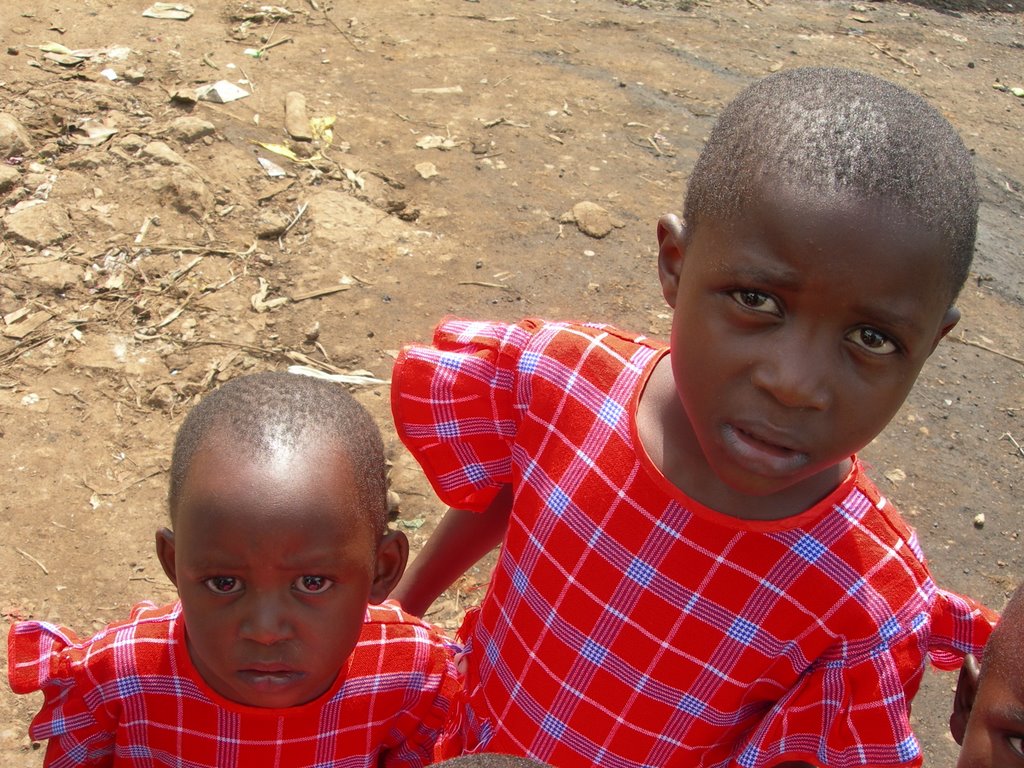
Kenya: Ayağında bir çift terliği olanın sosyete sayıldığı, plastik topu alamadığından bir parça çamurun etrafına naylonu bağlayıp top oynama çalışan ve her şeye rağmen gözleri gülen çocukların koşturduğu, üç dolara adam öldürmenin normal kabul edildiği, hayatında doktora gitmemiş insanların 5 metrekarelik evlerde yaşadığı ve bir öğün yemekle hayatta kalmaya çalıştığı bir ülke. Başkenti Nairobi 3 milyonluk nüfusuyla Afrika’nın en büyük şehirlerinden biri aslında. Tezatlarla dolu şehirde bir yanda minibüse verecek 10 şilini (20 kuruş) olmadığı için günde 8 kilometre yürüyen yerliler var; bir yanda ise onların yürüdüğü yolun tam üstünde Batılı standartlarda hizmet veren alışveriş merkezlerinde porsiyonu 600 şiline (12 YTL) yemek yiyen beyazlar…
Beyazlar cipleriyle bir kapalı mekandan diğerine geçerken, Afrikalılar sokakta 40 derece sıcaklıkta, kavurucu güneşin altında yürüyor hiç konuşmadan. Nedense konuşmuyorlar, gülmüyorlar. Kendi aralarında bile. Nairobi’de bahçeleri elektrikli tellerle, pencereleri parmaklıklarla kaplı villalar ve apartmanlardan oluşan siteler var. Bu evlerde 1963’e kadar resmî, halen de gayri resmî sömürgecileri olan İngilizler oturuyor. İngilizler, Kenyalıları köle olarak evlerinde çalıştırmaya başladıkları eski zamanlarda, şehir dışından kilometrelerce yolu yalınayak yürümelerini şart koşmuşlar. 1963’e kadar Nairobi’ye ayakkabı ile girmek yasakmış. Fakat evlerde uyguladıkları politika, İngilizlerin adil olduğu inancının yerleşmesine sebep olmuş. Örneğin bir Kenyalı köle olarak bulunduğu evde bir bardak kırdığında ‘sahip’ gelip, kara kaplı ‘hukuk’ kitabını çıkarır ve, “Bu yaptığının cezası 180 kırbaç; ama ben sana indirim yapıyorum 130 kırbaç.” dermiş. Köle de sahibi ona merhametli davrandığı için saygı duyarmış. İngilizler, Kenyalıları genetik olarak yetersiz ve yönetim kabiliyetinden yoksun olduklarına inandırmış ve bunu ‘bilimsel’ olarak öğretmiş, benimsetmiş. Ülkeyi 1963’te İngiliz esaretinden kurtaran Jomo Kenyatta’nın ünlü sözleri tüm bu süreci özetler nitelikte: “Beyaz adam geldiğinde bizim topraklarımız, onların ise İncil’i vardı. Bize gözlerimizi kapayıp dua etmeyi öğrettiler. Gözlerimizi açtığımızda bizim elimizde İncil, onların ellerinde topraklarımız vardı.”
6 senedir Kenya’da bulunan Ahmet anlatıyor: Üniversitede bir hocası kendisine ısrarla ‘sir’ (efendim) diye hitap ediyormuş. “Hocam benim size ‘sir’ demem lazım, yapmayın lütfen dese de vazgeçirememiş, adam kendisini suçlu hissettiğini, öğrencisi dahi olsa onun gözünde önce ‘beyaz’ olduğunu söylüyormuş.
Kenya’da ‘beyaz’ olmanın siz ve ötekiler arasına ördüğü doğal bir duvar var ve bunu aşabilmek çok zor. Bir işportacıya sattığı resimlerin güzel olduğunu söylediğinizde cevabı ‘hangisini istiyorsun?’ oluyor, ‘al ya da yürü git’ tavrı, adım başı karşınıza çıkıyor. Fotoğraf çekmeye kalktığınızda para istiyorlar; ‘senin derdini ülkemdekilere anlatmak istiyorum’ demiş olmanız önemli değil; muhtemeldir ki, daha önce de duydular, onlarca, yüzlerce kez. O yüzden ilgilendikleri tek şey, para, ne tarafı tuttuğunuz değil.
Alışveriş yaparken yani ‘kutsal’ı değiştirirken biraz olsun daha ılımlılar, sohbet etmek mümkün. Çoğu Türkiye’yi hiç duymamış. Bazıları ise Galatasaray diyor başka bir şey demiyor. Tugay’ın şu an hangi takımda oynadığından Emre Belözoğlu’nun gol çizelgesine her şeyi bilenler var. Futbol çok önemli, Zidane’ın dünya kupasında attığı kafa için “İyi yaptı” diyorlar, “ailesine laf etmiş Matarazzi”. Futbol bir anlamda dünyayla bağlantılarını sağlıyor. Dünya coğrafyası öğretip, sosyal ezilmişliği 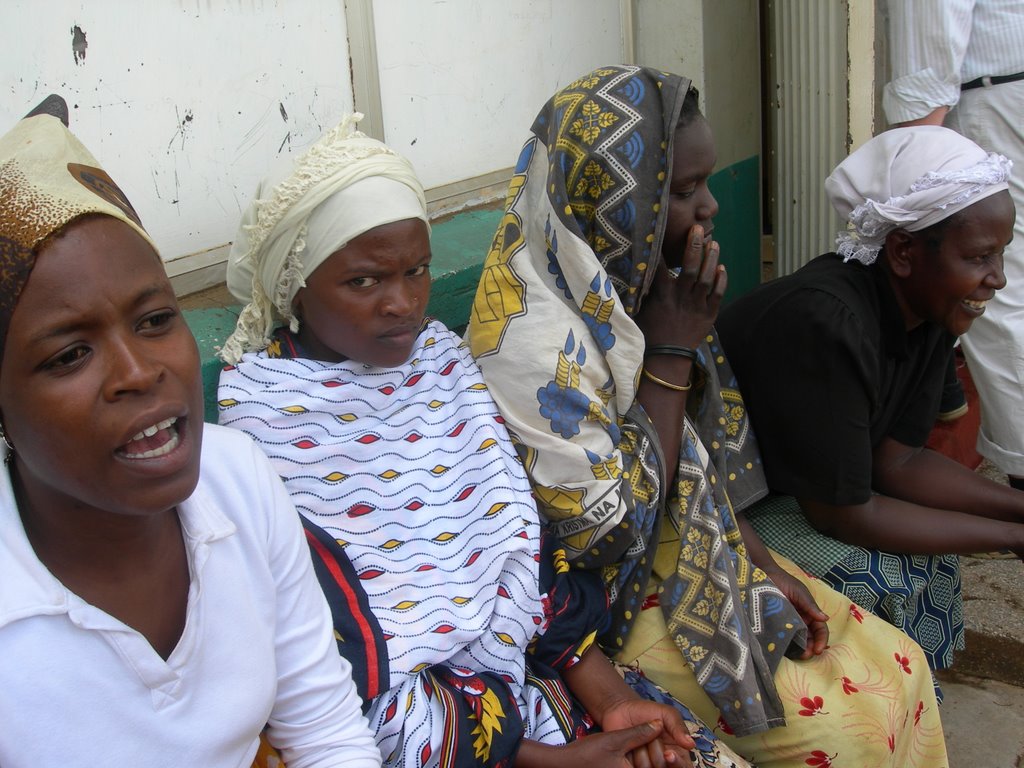 telafi ediyor.
Kibera ve teneke evler
2,5 kilometrekarelik alanda yaklaşık bir milyon insanın yaşamaya çalıştığı mahallede karşılaşılan manzara, sefalet kelimesinin anlamını yeniden sorgulama ihtiyacı hissettiriyor insana. Binlerce gecekondu, tek göz odalardan oluşuyor. Gecekondu çok ihtişamlı bir kelime buranın standartlarında, bunlar üzeri tenekelerle kapatılmış çamurdan sıvama barınaklar. Kibera’ya girmek her babayiğidin harcı değil. Yanınızda Kiberalı bir rehberiniz yoksa soyulabilir, saldırıya uğrayabilirsiniz.
Ortalama yedi kişilik ailelerin yaşadığı evler 3X3 metreden oluşuyor. Ebeveyn ve çocukların ‘oda’ları bir muşambayla ayrılmış. Evlerde akan su yok. Tuvalet yok. Banyo yok. 50 aileye bir tuvalet düşüyor ve paralı. Parası olmayan, ihtiyacını bir poşete giderip, yola boşaltıveriyor. Sokakların çamur ve pislikten ibaret olduğu ‘yol’larda çocuklar çıplak ayaklarıyla koşturuyor.
Evlerden birinde mutfak niyetine kömürlüğü andıran bir bölüm var, ortalıkta yanan odunun üzerinde topraktan bir tencere. Günde bir öğün yemek yeniyor, genelde un ve suyu karıştırıp kızartıyorlar. Yerde genç bir kadın ve bebeği oturuyor. “Bebeğin babası nerede” diye sorunca, “yok” diyor. Israr edince anlatıyor ve verdiği tüyler ürperten cevap bütün köyde neden neredeyse hiç erkek olmadığını da açıklıyor: Kadınların bazıları fuhuşla sağlıyor geçimini. Bu kadın da para karşılığı bir erkekle birlikte olmuş ve bebek o geceden doğmuş. Bedeli ise sadece 200 şilin (4YTL). Bin bir gecelere, 150.000 dolarlık ahlaksız tekliflere, hasta çocuk-onurlu anne parodilerine gerek yok, sadece 4 YTL. Bu birlikteliklerden doğan çocuklarla dolu ortalık. Genç kadının annesinin de 9 çocuğu var, “kocan nerede” dediğinde “öldü” diyor, çocukların kaç babası olduğunu, hangilerinin yaşayıp, hangilerinin öldüklerini tahmin etmek zor.
Fotoğraf çekmek neredeyse imkansız. Kimisi ruhunun makineye hapsolacağına inanıyor, kimisi nesneleşip Batılı gazetelerde üzerinden para kazanılmasını istemiyor. Bazı çocuklar ‘Anneciğim’ diye korku içinde bağırarak kaçmaya başlıyor makineyi görünce, bazıları ise tüm masumiyetlerini ve çocukluk neşelerini yansıtıyor objektife. Kendilerini dijital ekranda gördüklerinde kimisi kahkaha atıyor, kimisi utanıyor, kimisi kaçıyor yine.
Kibera, çoğunluğu Nibean kabilesinin oluşturduğu yerel dilde ‘orman’ anlamına geliyor. Fakirliğin, 3 dolara fuhuşu ve adam öldürmeyi mubah kıldığı Kibera, saatli bomba olarak tabir ediliyor. Cüzi bir miktar parayla ayaklanma çıkarmak mümkün. Umutsuzluk ve çaresizlik, düşünme ve muhakeme kabiliyetlerini öldürmüş adeta. Devletin boş verdiği hatta polisin gir(e)mediği Kibera’da sadece iki tane işlemeyen sağlık merkezi olduğundan hastalık oranını tahmin etmek imkansız. Kimilerine göre her beş kişiden dördü HIV virüsü taşıyor. Ortalama ömrün 45 yıl olduğu ülkenin bu bölgesinde ise 35’e kadar yaşayanlar şanslı kabul ediliyor. Soykırım için silahlara gerek yok burada, adından haiz ormanda güçlü olan hayatta kalıyor.
Kimse Yok mu Derneği ile gönüllü gelen doktorlar terk edilmiş sağlık merkezine giriyor ve sağlık taramasına başlanıyor. Çoğu daha önce hiç doktor görmemiş ömründe. Hepsi enfeksiyon kapmış, pislikten mi, olmayan içme sularından mı belirsiz. Bazılarının da gözleri bozuk. Doktor, televizyon seyrederken artıp artmadığını soruyor başağrısının örneğin, kadın “televizyon mu?” diye şaşırıyor.
Birkaç saat içinde yüzden fazla hasta muayene ediliyor. Rahatsızlıklarının kronik olduğunu, bu yaptığımızın pek bir işe yaramadığını düşünürken, ekiptekiler gelip kapıdan dışarı çıkanların sevinçlerini anlatıyor. Birinin onlara ilgi göstermesinden, birkaç dakikalığına da olsa tüm dertlerini dinleyen birilerinin olmasından, bir kutu vitaminden, bir şişe öksürük şurubundan duydukları mutlulukları. O zaman çabalar boşa gitmiyor diye düşünüyor insan ve dernek temsilcileri yakında buraya daimi bir poliklinik kurabileceklerinin müjdesini veriyorlar. Küçük de olsa bir başlangıç. Politik ve ekonomik sorunları hiç bitmeyecek gibi görünen bu kara bahtlı ülkede insani yardımlar, ucundan kıyısından yaraları sarıyor.Tuesday, October 10, 2006
Daily Life in Iraq: Before and After the War
Selma Sevkli
Wednesday , 04 October 2006 (published on Turkish Weekly Journal)
The 9th International 1001 Documentary Film Festival started on 29th September 2006 in Istanbul. There are 127 films under 12 subtitles including the Middle East, Portraits, Cultures, and various country profiles such as Poland, Finland and Bangladesh, etc. The screenings take place at the Ataturk Cultural Center, French Cultural Center, Italian Cultural Center, and Nazim Hikmet Cultural Center until 5th October 2006, all free of charge.
I had a chance to see four of the documentaries so far and I was especially touched by one called “In the Shadow of the Palms: Iraq”. Wayne- Coles Janess, a young Australian director, started shooting the film before the attack, continued during the invasion until it ended.
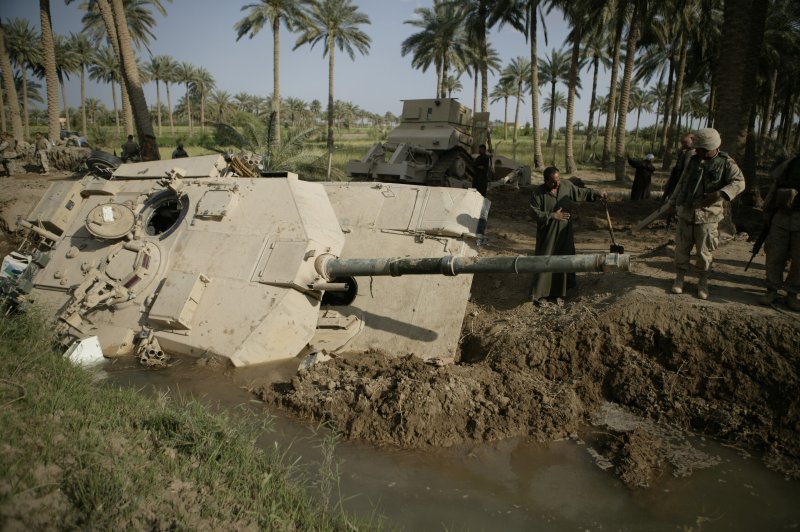
During the war, we mostly saw officials making statements about the war, and the suffering of ‘ordinary citizens.’ But what did they think? What was their opinion? How did all of this affect their lives and hopes about their future? Janess got into the midst of brave action and went to Baghdad two weeks before the war, and for six weeks he lived with locals and talked to them. Most of these ‘ordinary’ people were very much aware of the situation. They knew the war was coming, but they knew it was not coming to ‘liberate’ them. One teacher from a high school gives his opinion: “It is not about democracy, it is not even about oil simply, it’s US’ new world order plan and Iraq is the second stage of it after Afghanistan. US made its decision long time ago, and for people who it wants to ‘democraticize’ we haven’t been asked our opinions.” Then the camera moves to one of the classrooms in the school and we see one Christian and one Muslim student sitting together. They both clearly state that religion is not a source of conflict for them and continue: “We know the war is at the door, but we are not afraid. We are not going to leave school until it is bombed and we are not going to leave our homes either.” Apparently, students are very angry with Mr. Bush, as one starts cursing at him badly.
After the school scene, Janess takes us to one of the Wrestling Clubs, which is a popular spot for the young boys. Wrestling and winning medals seem to be a good motive for them to deal with such hard time. They keep going to the club every day for training until the war starts. They are not as aggressive towards America as the students. These young boys like the way they live, and they simply want to maintain their lives. They do not complain about a lack of facilities, they don’t complain about having to buy the uniforms themselves when needed. Would it be too much to ask not having a war after all?
Then we see a traditional coffee house where men hang out, sometimes all day long. There is a group of guys discussing philosophy and literature. One explains that they get together every week, set a topic and discuss it. Although they know the war is only a few hours away, they are calm and confident. One of them makes a joke: “Do not record me boy, you want the Americans to kill me?” and everybody laughs. As some think, Middle Easterners, Iraqis in particular, are not bunch of suicide bombers that make plans for ‘jihad’ all day long. Iraqis do not only live for after Friday prayer demonstrations either. Even though they are “Arab”, even though they are “Muslim” they have the ability to think, question, and have a great sense of humor.
Unfortunately, the war begins and we face one of the bitter faces of it: A big bomb blast in a house full of civilians. Women cry, men curse, firefighters try to get in, crowd runs around without knowing what to do. Images flash of two girls under the wreck, trying to be rescued by neighbors grabbing pieces of their house that collapsed onto them. They finally get one out, we do not know of the other, but this is just the beginning. We get used to it so much that hearing death and bomb news from Iraq becomes just a regular routine by now. As Stalin said: The death of an individual is a tragedy, the death of a million is statistics.”
During the war, some people continue their daily lives despite everything. They cannot get into military action, especially the old ones, but they express their resistance by not escaping. Some women get their provision, some defend Saddam, and somehow life continues.
War is not only difficult for Iraqis, but also for Americans residing in Iraq. Janess lets the soldiers express their point of views. One says, he has four children back home and he didn’t tell them that he is at the war zone but somewhere else at training. The soldiers trying to provide security in the city have a hard time; they have to keep eye on people very carefully. They obviously are not enjoying their duty. War is not a joyful event for anybody. Attacking or defending, winning or losing, liberating or dehumanizing, both sides are human beings that have families, hopes, worries, needs, etc. States and authorities make it look like a terrible game: There are sides, there are goals, and there are big words like democracy. But it is not that simple. There are human beings, there are feelings, there are dead people, there are injured children, there are lost futures. It is not two states debating on a table. Big men make the plans and ordinary suffer.
In the end we see refugee camps outside the city in a miserable situation. People after bringing all their documents, dealing with bureaucracy even under attack, get into tents under rain and in mud. One complains to the camera: “Is this liberation? Is this democracy? Saddam was not the nicest man in the world but we at least had jobs and houses. What do we have now?” It has been 3.5 half years by now and the number of refugees increase while the hopes decrease.
Wayne- Coles Janess did an excellent film by giving us the chance to see what happens during the war on a humanistic basis. It is not easy to deal with war for people of Iraq just like anywhere in the world. They try to keep the hopes up and be strong. I hope the teacher is wrong for America’s new world order. I hope the Iraqis get their lives back soon and democracy if that what it takes. I hope that we do not see one more tragedy, one for shame for humanity and big black stain in the history.
Sunday, September 17, 2006
Sorry His Holiness, We Couldn't Get It!
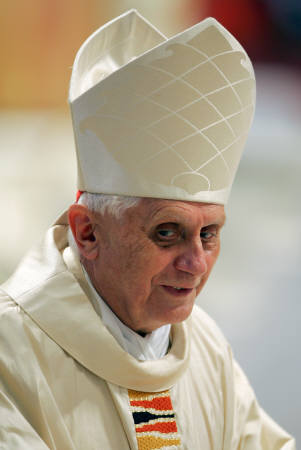 We already know what happened in the last couple of days about the Pope’s unfortunate statements and reactions to his words. Some, who does not want to see the truth, defend him as he did not say the words himself but ‘quoted’. Intended or not, quoted or not, we face a strong reaction from the Muslims at the moment, whose population are more than 1.5 billion. Those Muslims are the ones who had to deal with prejudice against them after 9/11, and the cartoon crisis recently.
The Pope Benedict XVI formerly known as Cardinal Joseph Ratzinger is known for his enrollment in Hitler Youth in 1941. He is also known about his opposition views on inter-faith dialogue and Turkey’s membership on EU. When all these considered, it is hard to believe that he didn’t intend to offend Muslims.
It looks like the Pope forgets about his position and importance of it. More than anybody, he knows how sensitive religious subjects are. Why did he need to quote from Byzantine Emperor Manuel II Paleologus? He should have chosen a better example, he should have thought of the reactions, especially at a time which the relations between Islam world and the West are tense. Certainly, it did not help for dialogue.
People on the street do not have to read the full text of his speech. Not everybody has to be intellectual or academician to interpret such words. People react to what they read on newspapers, which perhaps misquoted the speech. Even if the Pope did not mean to hurt Muslims’ feelings, he did. Now Muslims are on the street, tension is growing. A church was attacked in West Bank a few hours ago, and it would not be unlikely to expect similar events soon.
As the leader of the Catholic world, as somebody who says that he supports inter-faith dialogue, he should have more discretion. To prove that he is not against Muslims and he respects Prophet Mohammad, he owes a ‘real’ apology to Muslims. Otherwise, the clash of civilizations is going to come true pretty soon. And as some intend, it is not going to be anybody’s fault but ‘cruel’ Muslims’.
I miss the marvelous his holiness Pope John Paul II, and his good will towards Muslims. I remember him delivering a speech at Omayyad Mosque of Damascus, and starting his speech as “As Salaam Alaykum”. At his speech, he emphasized the similarities in Islam and Christianity, believing in the same God, sharing similar values, Jesus as a prophet of Islam, and how Muslims and Christians respect one another. The place he chose was a holy place for Muslims, mosque. The words he chose was careful and meaningful. The people he talked to were Muslims. And the quotes he used were from Quran.
For a true dialogue, we should forget about mistakes have been made in history. I could talk about Christianity as the religion of sword and refer to Crusade wars. But, would that solve anything? Are we trying to prove whose religion is better, or how can we co-exist in the same world? It is time for conscience for all of us, and the leaders should pioneer it.
*Published at www.turkishweekly.net on 16.09.2006
Subscribe to:
Posts (Atom)